
High Frequency PCB, Precision Made Accessible
EBEEPCB offers high-quality High Frequency PCBs, available in Rogers and PTFE Teflon materials, with a 2-layer option. Prices start at $47, with a fast 4-5 day turnaround and industry-leading quality assurance.
What is a High Frequency PCB?
As the frequency increases beyond a certain limit, signal losses in standard FR4 boards rise significantly. To address this, we offer a range of High-Frequency PCBs, designed specifically for MHz to GHz applications. These boards use low-loss dielectric materials with a reduced loss tangent, minimizing signal degradation. This ensures controlled electromagnetic interference (EMI) and reliable, high-speed signal transmission.
High Frequency PCB Materials
Unlike standard FR4 boards, High-Frequency PCBs can be selected based on Dk (dielectric constant) and Df (dissipation factor). The lower these values, the better the signal integrity at high frequencies. Some materials EBEEPCB offers include Rogers and PTFE Teflon.
Rogers RO4350B is a strengthened glass hydrocarbon/ceramic material with a dielectric constant of 3.48 at 10GHz. It has a low Z-axis coefficient of thermal expansion (CTE), ensuring high stability of multilayer circuits interconnected by plated through holes (PTH).
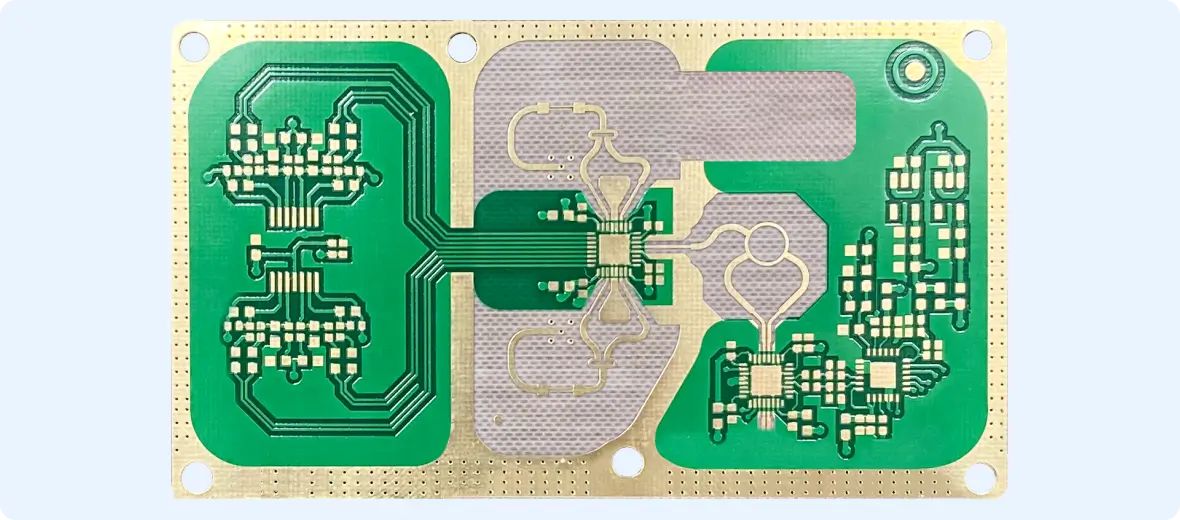
Structure and Properties of High Frequency PCB
- 1. Rogers RO4350B: — A strengthened glass hydrocarbon/ceramic material with a dielectric constant of 3.48 at 10GHz, commonly used in high-frequency power amplifier designs.
- 2. PTFE Teflon: — PTFE Teflon PCB has outstanding comprehensive performance in practical use and is an ideal material choice for high-complexity and high-reliability designs.
- 3. Copper Foil: — A good copper foil with a smooth surface and low resistance ensures lower losses at microwave frequencies.
Benefits of High Frequency PCB
Low Dielectric Loss
Lower loss in PCB dielectric means higher signal strength. Dielectric losses can cause EMI failure and excessive crosstalk. With a low dissipation factor (Df), signal losses can be controlled at high frequencies.
Stable Performance at High Speeds
At high speed, signals travel in dielectric space, and copper traces act as waveguides. Substrate having lower loss tangent (Df) ensures better signal performance throughout.
Excellent Signal Integrity
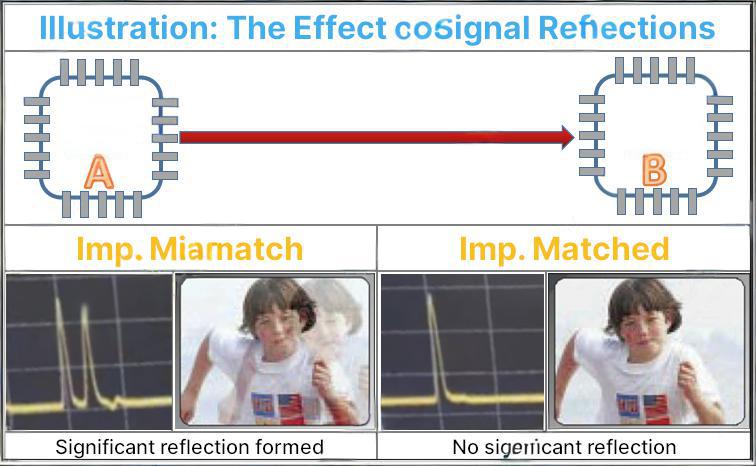
Factors like impedance mismatch and signal delays increase if the substrate has higher parasitic components. With high-frequency substrates, delays can be controlled in RF and high-speed circuits.
High Frequency PCB Design Considerations
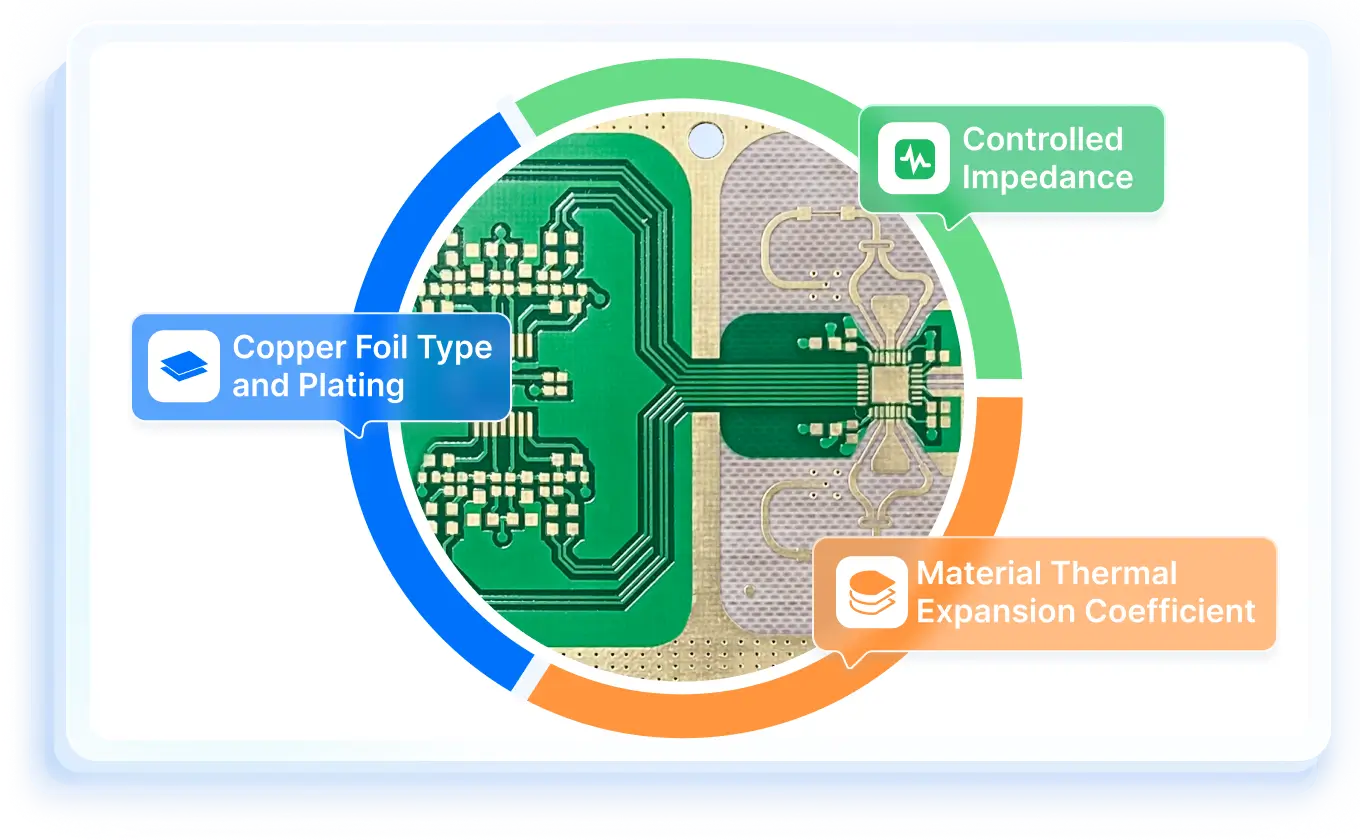
Common Applications of High Frequency PCBs
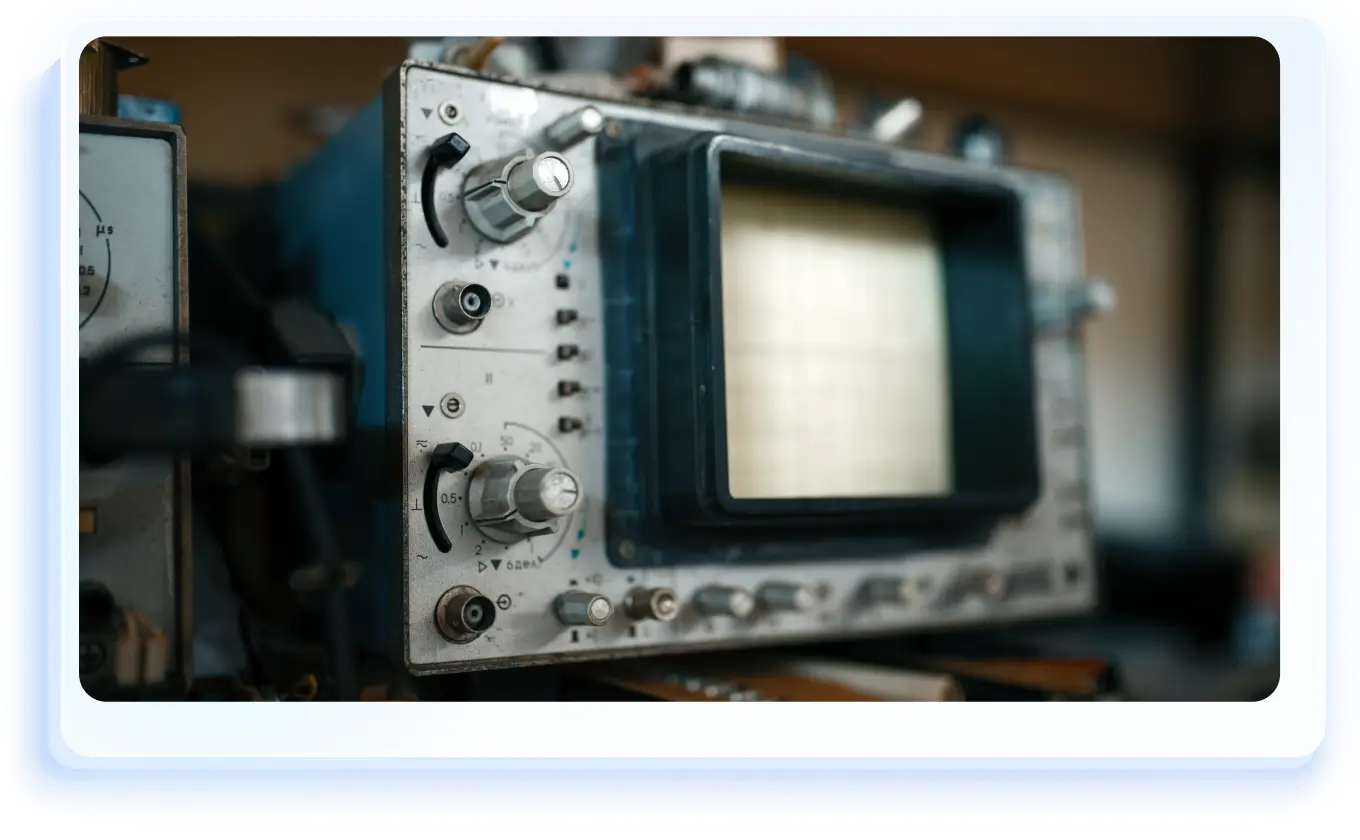
RF and microwave systems operate in the 3 kHz to 300 GHz range, and high-frequency applications often require specialized materials. Materials like Rogers are therefore used to design RF front-end modules that demand high accuracy and minimal signal distortion.
Why Choose EBEEPCB High Frequency PCBs?
High-Frequency Performance
EBEEPCB offers High Frequency PCBs using advanced materials like Rogers RO4350B and PTFE Teflon, delivering low-loss performance with a Dk of 2.55-3.48 and Df as low as 0.0016.
Reliable Quality Assurance
EBEEPCB's industry-leading quality assurance process guarantees that each PCB undergoes rigorous testing, ensuring reliable and consistent performance at high frequencies.
Competitive Pricing
Get high-quality High Frequency PCBs starting at just $47, with fast 4-5 day turnaround.
Fast Prototyping
With a 4-5 day prototyping turnaround, EBEEPCB ensures fast delivery without sacrificing quality.
How to Order EBEEPCB High Frequency PCBs in 3 Easy Steps
Step 1: Visit EBEE
Open the ordering page and start your project.
Step 2: Upload Gerber
Upload your design files for review and pricing.
Step 3: Checkout
Confirm specs and complete your order.