
High-Quality Flexible PCBs, Made Easy
Supporting 1-4 layers with 25µm, 50µm dielectric thickness options and transparent FPC, adhesive-free substrate. In-house production and smart manufacturing deliver cost savings, high reliability, and superior flexibility for your designs.
What is a Flexible PCB?
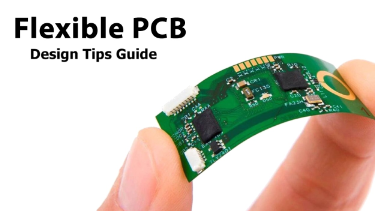
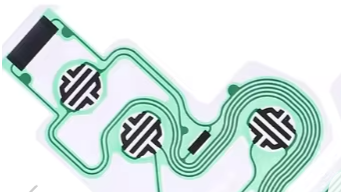
A Flexible PCB (also called flex PCB or FPC) is a type of printed circuit board that can bend, fold, and twist without breaking. Unlike rigid boards, flexible PCBs are designed to adapt to tight spaces and dynamic environments, making them ideal for compact and lightweight electronic devices.
Flexible PCB Overview
Rigid PCBs are built on FR4 substrates, which makes them stiff and less adaptable to tight spaces. Flexible PCBs, in contrast, use polyimide substrates that allow the board to bend and twist without damage.
The structure of a Flexible PCB is built on thin, bendable substrates such as polyimide (PI) or PET, which provide excellent mechanical flexibility and heat resistance. Copper foil is laminated onto the substrate to form the conductive traces, while coverlays or solder masks protect the circuits.
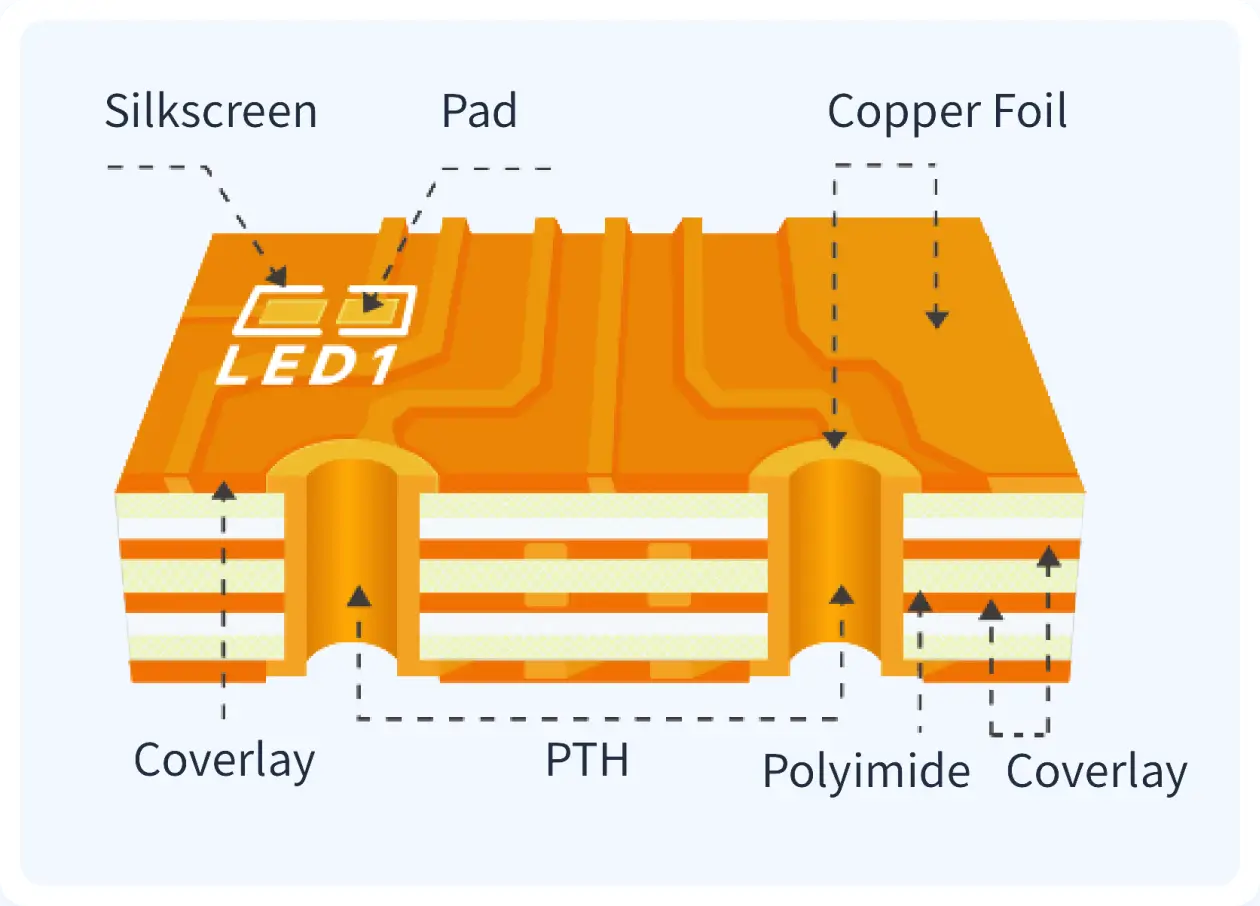
Structure and Properties of Flexible PCB
- 1. Polyimide (PI) Substrate: — The most commonly used material thanks to its excellent thermal resistance and mechanical durability. Its ability to withstand high temperatures makes soldering components reliable and secure.
- 2. Copper Foil: — Copper foil is laminated onto the substrate to form the conductive traces, carrying signals across the base material.
- 3. Coverlay/Solder Mask: — Protective coverlays or conformal coatings ensure durability and protect the circuits from environmental factors.
Advantages of Flexible PCBs
Space and Weight Savings
Flexible PCBs are very thin and lightweight. They reduce the need for bulky wires in a system where space is a constraint. And because of this flexibility, we can design compact devices.
Durability and Flexibility in Harsh Environments
Flexible PCBs come with superior bend endurance. They enhance the overall bending ratio and bending frequency. Due to their good thermal stability, FPCs perform well in applications exposed to mechanical stress and vibrations.
Improved Signal Integrity
Thickness is reduced, which means less spacing between layers and shorter ground return paths. This will reduce the overall crosstalk and improve signal integrity in high-speed designs.
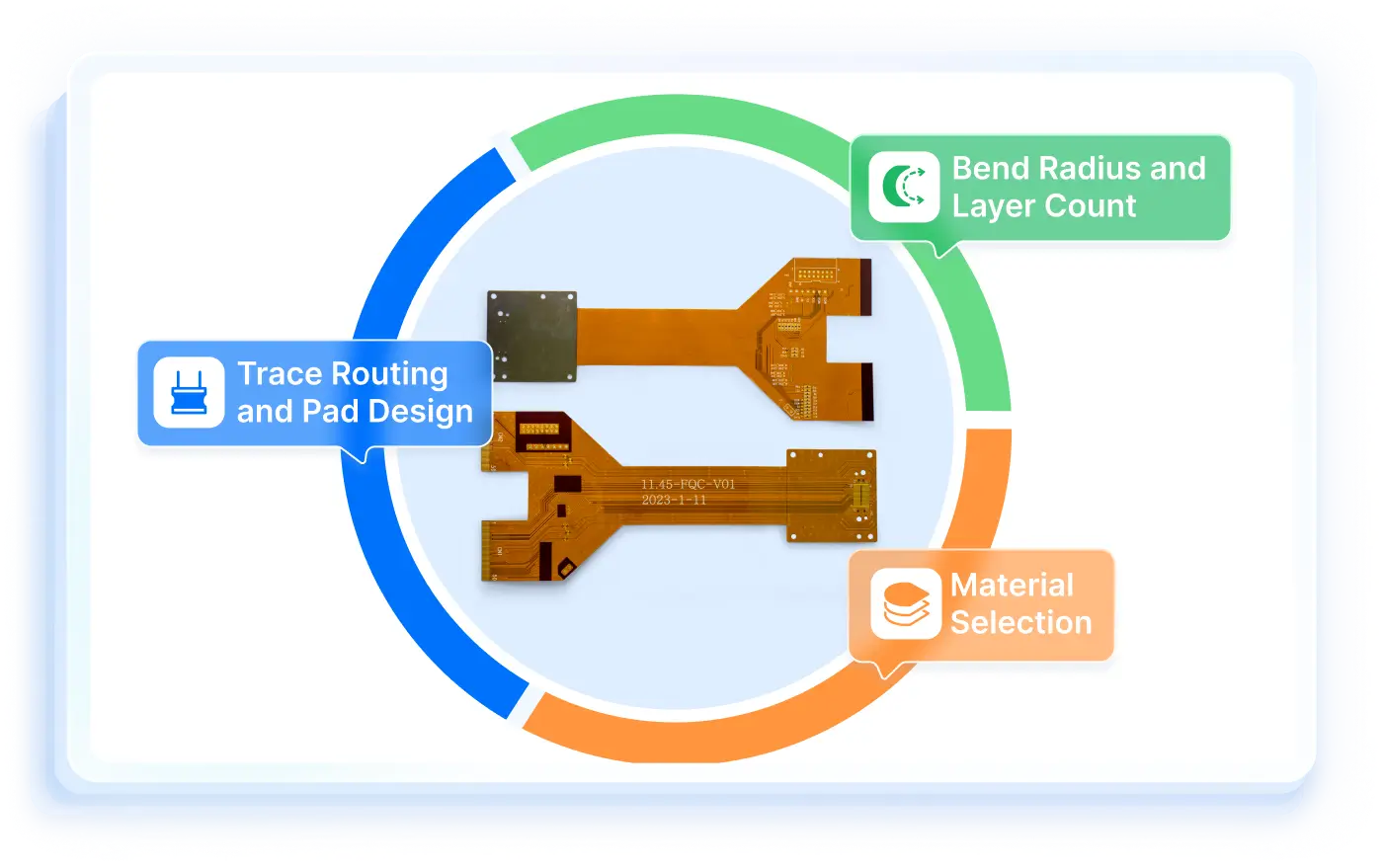
Flexible PCB Design Considerations
Common Applications of Flexible PCBs
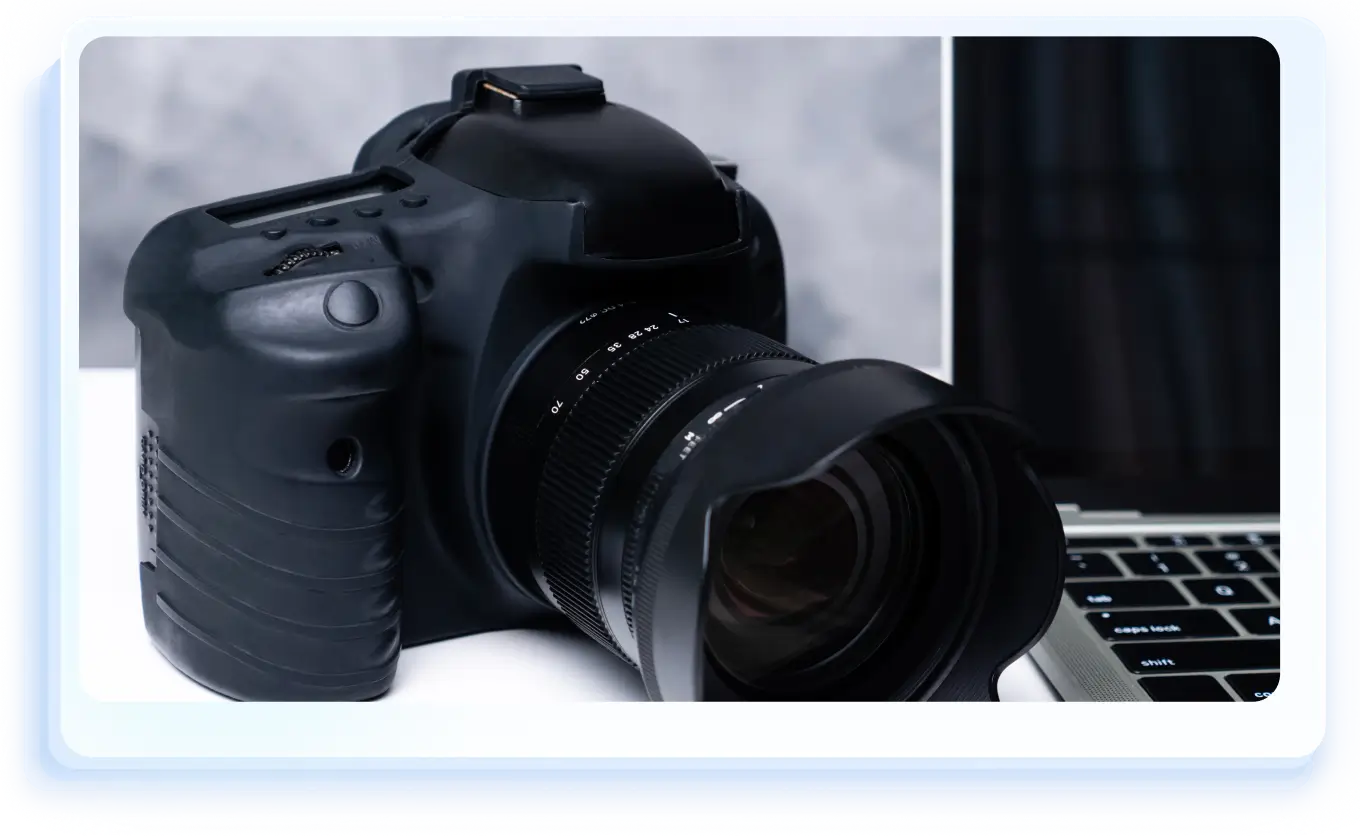
Flexible PCBs are widely used in smartphones, wearables, and laptops to save space and enable ultra-slim designs. By allowing components to connect within tighter spaces, FPCs make compact and lightweight devices possible.
Why Choose EBEEPCB Flexible PCBs?
Flexible Material Choices
From ultra-thin 25μm substrates to tear-resistant 50μm, transparent PET (85% transmittance), and advanced 4-layer stackups, EBEEPCB covers every design need.
Precision You Can Trust
With LDI exposure and dry film, EBEEPCB delivers 2/2mil traces without pad deviation. Laser cutting enables virtually any shape with ±0.05mm tolerance.
Reliable Quality & Durability
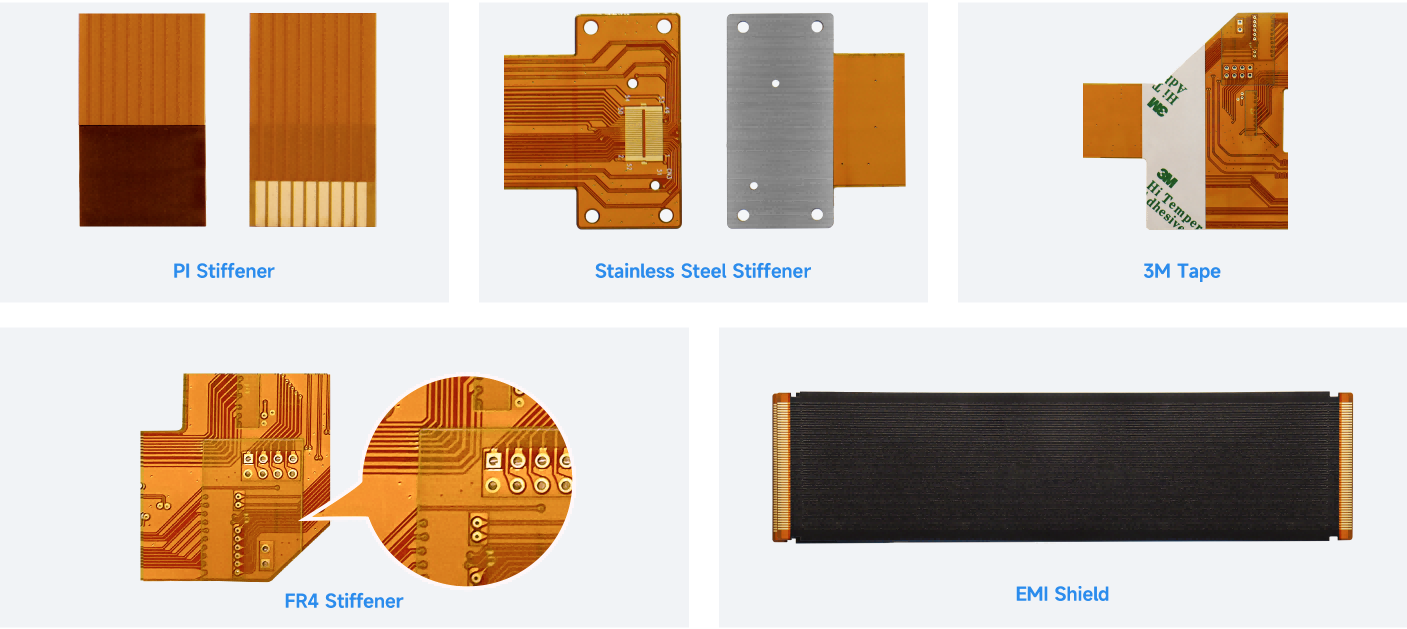
Using adhesive-free substrates and offering multiple stiffener options, EBEEPCB ensures excellent bending performance and long-lasting stability.
Cost-Effective & Fast
Affordable factory-direct pricing combined with dependable 4-5 day lead times, giving you the best balance of cost, speed, and reliability.
How to Order EBEEPCB Flexible PCBs in 3 Easy Steps
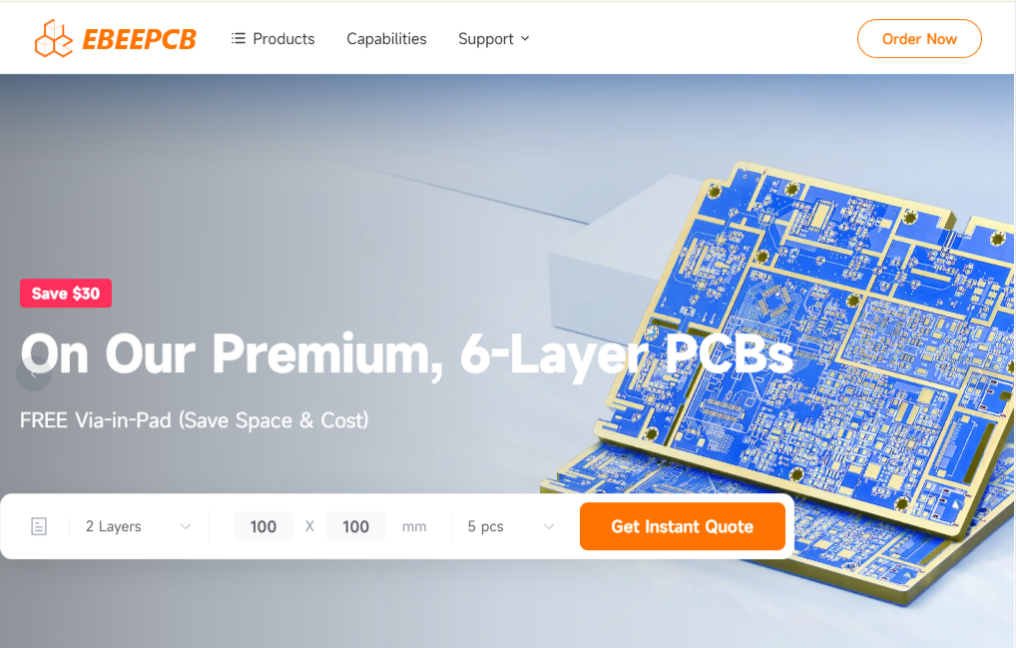
Step 1: Visit EBEE
Open the ordering page and start your project.
Step 2: Upload Gerber
Upload your design files for review and pricing.
Step 3: Checkout
Confirm specs and complete your order.